
Activities can do
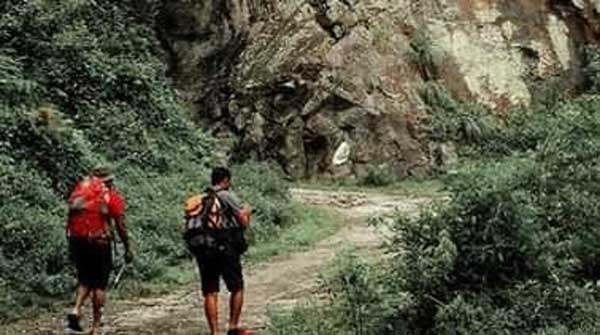
HIKING, TREKKING & MOUNTAINEERING
Sri Lanka’s diversity of terrain provide the opportunity for amazing treks, mountaineering and hikes especially in the central highlands ……
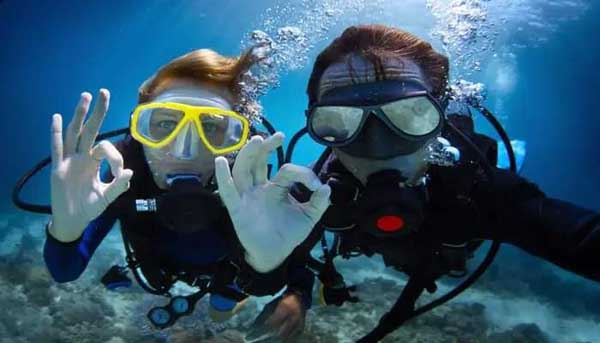
SCUBA DIVING
There are many scuba diving sites in Sri Lanka that spread out across the western, southern and eastern coasts of the island …..
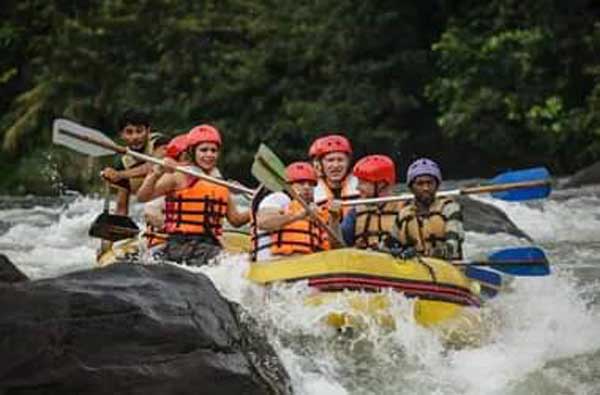
WHITE WATER RAFTING
White water rafting is a challenging recreational activity and an exhilarating water sport …..
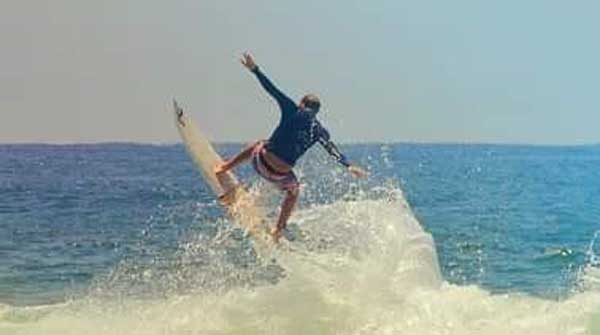
SURFING
Surfing is one of the popular sports in Sri Lanka among foreign tourists despite not being popular among the locals …….
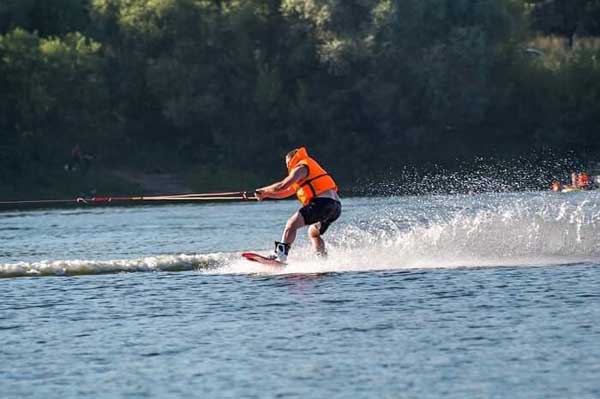
WATER SPORTS
Sri Lanka offers a vast range of water sports for people who seek real adventure on their holiday ……
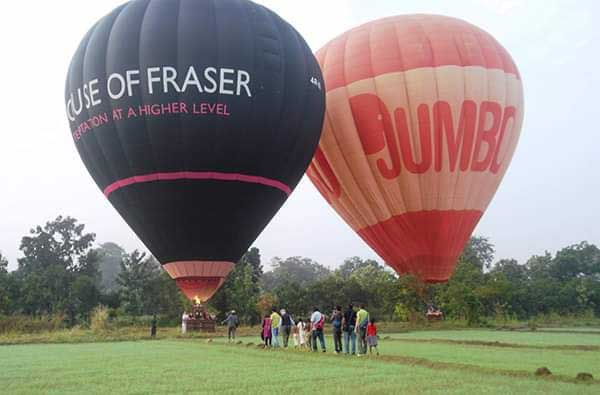
HOT AIR BALLOON RIDES
The climate in Dambulla and Kandalama is exceptional for flying balloons, due to its extremely calm and predictable nature ……..
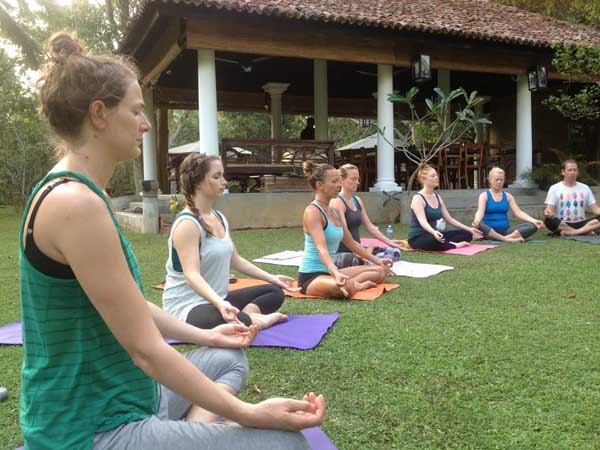
Meditation involves the exercise of psychological discipline in order to transcend from the automatic,…….
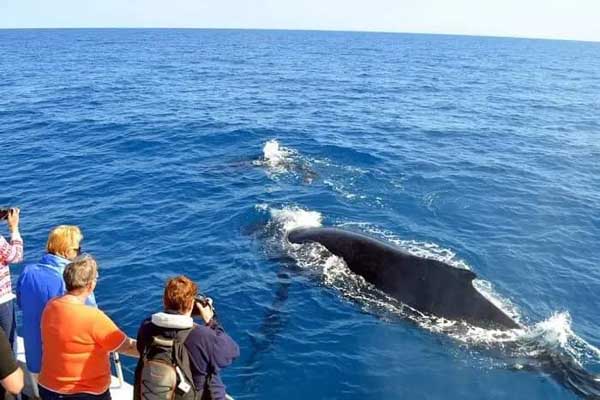
BLUE WHALES & DOLPHINS WATCHING
Tourism in Sri Lanka has been on the rise since the cessation of many years of unrest in 2009 …….
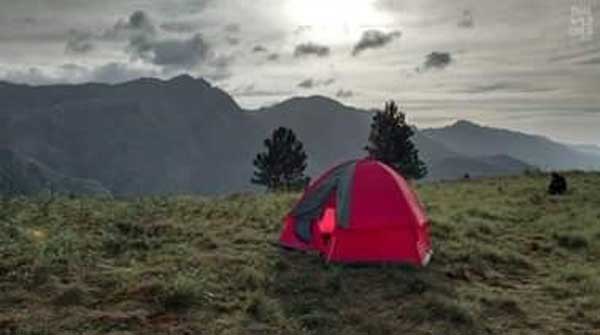
CAMPING
Sri Lanka is home to many national parks where travellers can go camping ……..
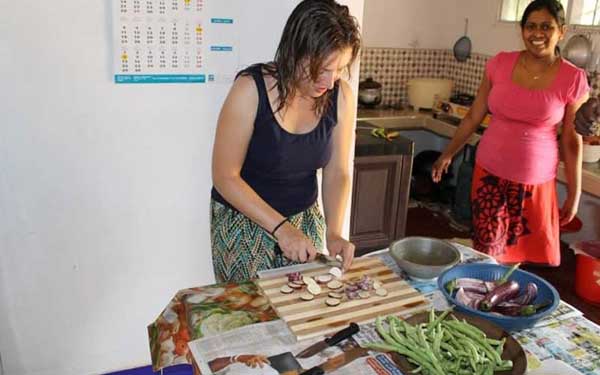
Sri Lanka is well known for its strong roots in agriculture, hence it’s relationship with food is immense ………
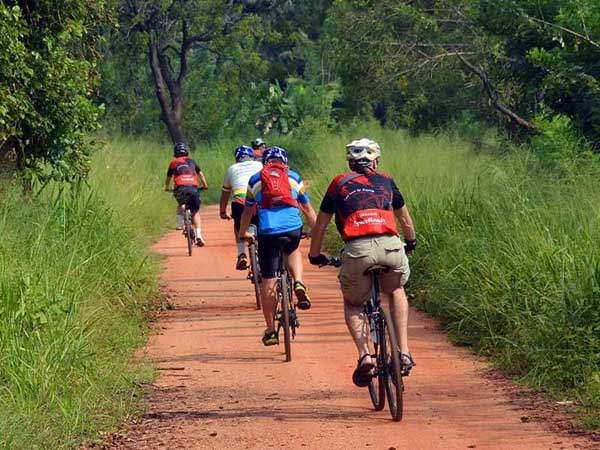
CYCLING & MOUNTAIN BIKING TOURS
Explore Sri Lanka’s off the beaten hidden secrets by cycles …….
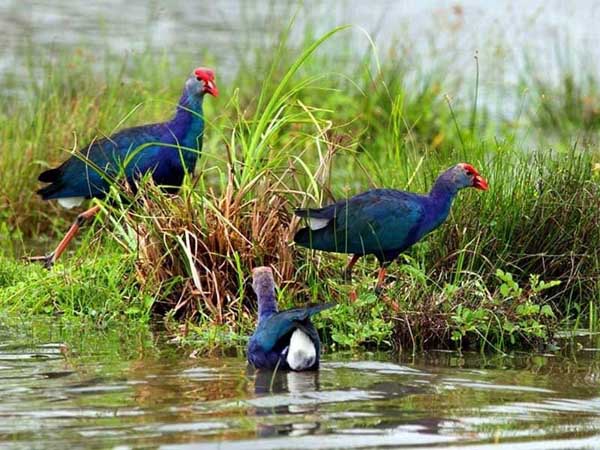
BIRD WATCHING
Sri Lanka is a birder’s paradise. A tropical island in the Indian ocean situated 10 degrees North of the equator
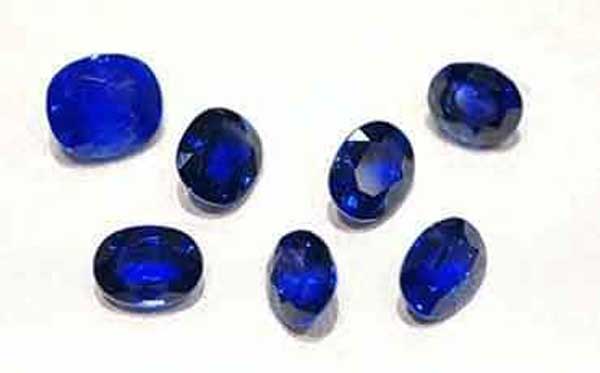
Most of country in the world, Sri Lanka known as by their tea and gem …….
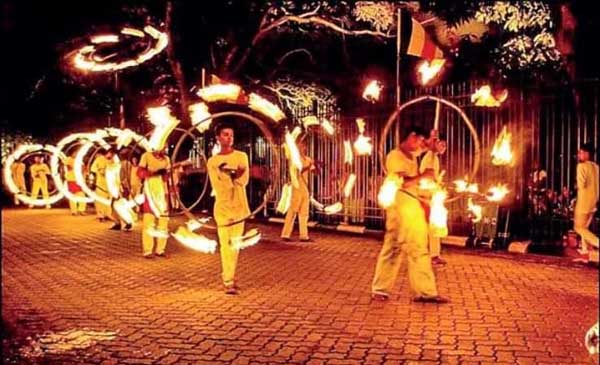
THE KANDY ESALA PERAHERA
The Kandy Esala perahera, also known as the festival of the tooth relic is a festival held in July/ August in Kandy, Sri Lanka ……..
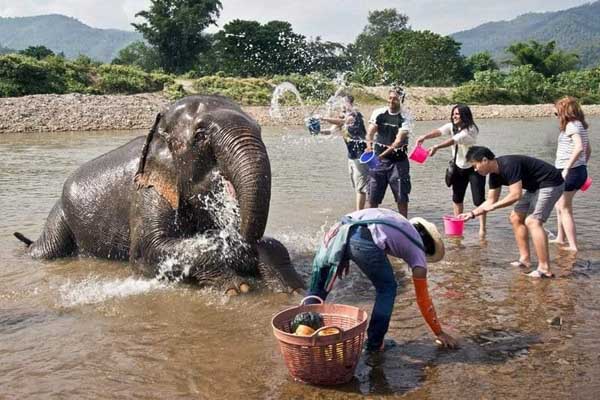
ELEPHANT ACTIVITIES
Take a walk, bath, feed and play with elephants at elephant foundation, …..
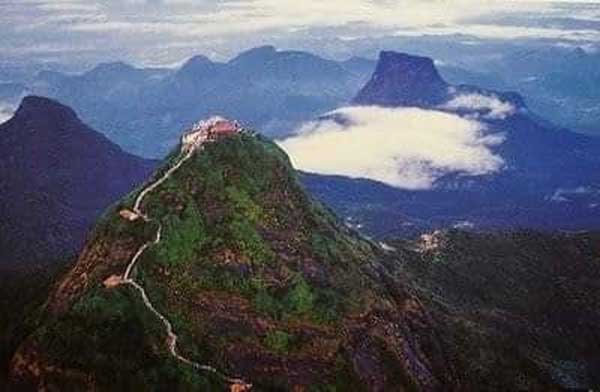
The amazing Adam’s peak in Sri Lanka’s fourth heist mountain at 2244m and is located central part of Sri Lanka ..
1. THE KANDY ESALA PERAHERA (procession), Kandy
(Most Delightful Cultural Event Of Sri Lanka)
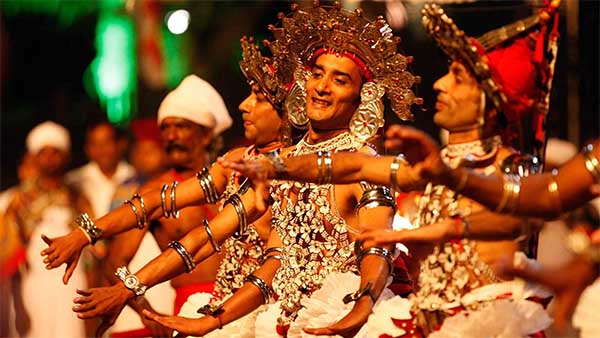
The Kandy Esala Perahera (The Sri Dalada Perahara procession of Kandy) also known as The Festival of the Tooth is a festival held in July and August in Kandy, Sri Lanka. This historical procession is held annually to pay homage to the Sacred Tooth Relic of Lord Buddha, which is housed at the Sri Dalada Maligawa in Kandy. A unique symbol of Sri Lanka, the procession consists of traditional local dances such as fire-dances, Elephants, whip-danc garments. The festival ends with the traditional diya-kepeema (water cutting) ritual, a water cutting ceremony which is held at the Mahaweli River at Getambe, Kandy.
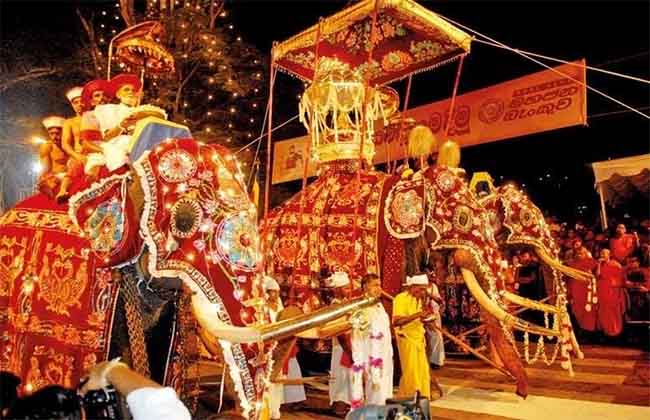
Thousands of people, both local and foreigners, come to Kandy to see the Perahera. As with most Peraheras, whip crackers take the vanguard position. They make loud cracking noises with their whips and traditionally, their function had been clearing the way (which is now a function of the police escort). These whip crackers are followed by hundreds of drummers playing traditional beats, dancers performing traditional dances, and other amazing performances with fire, stilts, and other props. After the performers, the elephant decorated with velvets, gold, and silver carrying the Tooth Relic walks slowly keeping up with the pace of the procession.
The Kandy Esala Perahera begins with the Kap Situveema or Kappa, in which a sanctified young Jackfruit tree (Artocarpus integrifolia) is cut and planted in the premises of each of the four Devales dedicated to the four guardian gods Natha, Vishnu,
Katharagama and the goddess Pattini. Traditionally it was meant to shower blessing on the King and the people.
The Esala (Month of July) is believed to be a fusion of two separate but interconnected Processions – The Esala and Dalada. The Esala Perahera, which is thought to date back to the 3rd century BC, was a ritual enacted to request the gods for rainfall. The Dalada Perahera is believed to have begun when the Sacred Tooth Relic of the Buddha was brought to Sri Lanka from India during the 4th century A.D, eight hundred years after the passing away of Lord Buddha.
According to tradition, the Tooth Relic was taken in procession to Sri Lanka by Princess Hemamala & Prince Dantha.
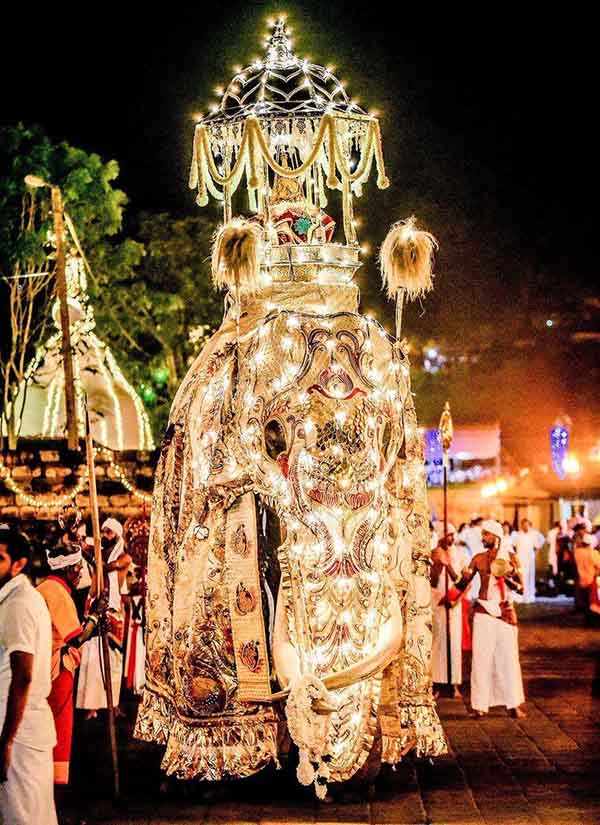
It was also through the efforts of Upali Thera that the Kandy Esala Perahera came into being. This procession was originally focused on honor to Hindu deities, particularly those incorporated into Sri Lankan Buddhism. Upali Thera believed this to be inappropriate in a Buddhist nation, and his influence led to the king declaring that “Henceforth Gods and men are to follow the Buddha”.
After the Kandyan Kingdom fell to the British in 1815, the custody of the Relic was handed over to the Maha Sanga (the Buddhist Clergy). In the absence of the king, a chief lay custodian called the “Diyawadana Nilame” was appointed to handle routine administrative matters concerning the relic and its care.
▪︎BEGINNING OF THE PROCESSION
Beginning of the perahera period is marked with the ceremony of planting ‘kap’, where a sanctified young jak plant sprinkled with cinnamon scented water is planted in the premises of each of the four ‘devales’ during an auspicious time given by the astrologers. During the next five nights ‘Devale Peraheras’ take place within the Devale premises, where the priest of each Devale carries the pole every evening along with the flag and canopy bearers to the beat of music and drumming. They also carry the ‘Ran Avudha’ (Gold Armaments), the sacred insignia of the Gods.
▪︎KUMBAL PROCESSION
Procession starts with the 1st Kumbal Perahera on the 6th night and it continues for five days. The 1st Kumbal perahera is led by the ‘Maligawa Perahera’ and the ‘Basnayaka Nilame’. It is joined by the other four devale peraheras. The 2nd to 5th processions are respectively from Natha, Vishnu, Kataragama and Pattini devales.
▪︎RANDOLI PROCESSION
After the 5 nights of Kumbal Peraheras, the Randoli Peraheras begin and continue for 5 nights. ‘Randoli’ refers to the palanquins on which the Queens of the ruling Kings traditionally travelled. During the days of the Kings, Kings and their chief Queens paraded in the procession. Later, the Queen was stopped from participating as it was considered improper. But, even now, a palanquin is taken as the last item of the procession as a honour to the Queen.
▪︎FINAL CHIEF RANDOLI PROCESSION
‘Chief Randoli Perahera’ or the ‘Final Randoli Perahera’, which takes place on the 5th night of Randoli Peraheras (10th night overall) is the last procession and attracts thousands of visitors every year. It is the most beautiful, spectacular and grand of all the peraheras taking place and marks the climax of the Esala Perahera, only perahera in the world which is held for ten days.
Colourful and exciting memories of Peraheras will be unforgettable for many. So, don’t miss a chance of seeing a Perahera with Aquamarine Paradise SL when visiting Sri Lanka.
2. BLUE WHALES & DOLPHINS WATCHING ACTIVITY IN SRI LANKA
Tourism in Sri Lanka has been on the rise since the cessation of many years of unrest in 2009. One of the fastest growing tourism industries is the whale and dolphin watching industry, and Sri Lanka is rapidly gaining fame in the whale and dolphin watching world for the opportunities to observe blue whales and dolphins in at least two different locations between December and July. Other whale and dolphins species are opportunistically observed during tours, but blue whales are definitely the most frequent target of tours. conditions.
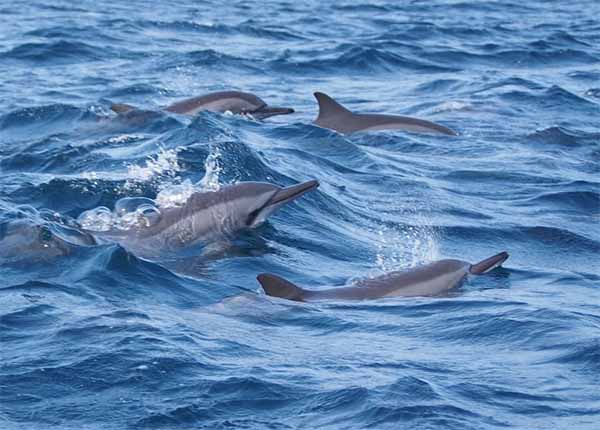
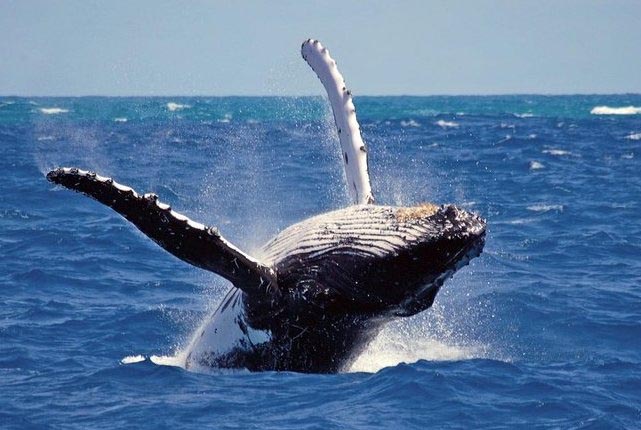
The three main whale and dolphin watching areas in Sri Lanka are Mirissa in the south-west, Trincomalee in the north-east and Kalpitiya on the northwest coast. The most frequently targeted species of whale for whale watching in Sri Lanka is the blue whale, which can be observed off the coast of Mrissa between December and March, and off Trincomalee between March and July. Bryde’s whales and sperm whales are sometimes also opportunistically observed during trips that are focused on blue whales. Whale watching platforms range in size from small boats seating 4-6 passengers to large double-decked vessels taking up to 300 passengers. This tours will be arrange by AQUAMARINE PARADISE SL and Tours sometimes head up to 20 km offshore, so vessels need to be large and powerful enough to cope with longer journeys and potentially rough sea conditions.
3. WHITE WATER RAFTING ACTIVITIES IN SRI LANKA
White Water Rafting is a challenging recreational activity and an exhilarating water sport. Yet contrary to the public belief, White Water Rafting is not a sport that demands great physical strength.
An average level of physical fitness and a strong spirit would do. White Water Rafting, generally enjoyed in the white-waters as well as in other turbulent waters, brings about an enthralling experience to the water sport enthusiasts.
Though the ability to swim is a definite advantage, a compulsory Personal Flotation Device will be provided, a necessary outfit for a White Water Rafting as it is guaranteed to save you from drowning if you fall overboard.
However those suffering from heart ailments, epilepsy as well as those who are uncomfortable in turbulent waters aren’t advised to go White Water Rafting. Some of the rivers of Sri Lanka afford the opportunity for recreational activists and water sport enthusiast to enjoy White Water Rafting. The small town of Kitulgala in the hill country is the most famous place in Sri Lanka to do so.
River Grade Rafting Time Kithulgala / Kelani River 2 – 3 rapids 2 hrs Sitawaka 3 – 4 rapids 2-2.5 hrs Mahaweli 3 – 5 rapids 3-3.5 hrs
Kitulgala is located about 80 kilometres from Colombo, commercial capital of Sri Lanka. Kitulgala is a pleasant town set amidst green hills thick with tropical vegetation. The name Kitulgala itself is derived from the Kitul palm tree, groves of which are abound in the expanses. Kitul sap is concentrated and then crystallized to produce jaggery. Kitul sap is also fermented to make palm wine.
Kitulgala is the movie location of where David Lean’s 1957 epic, Bridge on the River Kwai was filmed.
A calm stretch in the River Kelani between two rocky outcrops on either side is the movie location where the railway bridge for the movie was constructed. The water flows silently in this stretch of the river, which is quite deep and sluggish.
The boulder strewn stretch of the Kelani River at Kitulgala offers an ideal setting for White Water Rafting. White Water Rafting at Kitulgala gives the chance to enjoy the stunning tropical scenery of the region. This adrenaline filled adventure sport is suitable for first time rafters and experts alike.
The town of Kitulgala is situated on a particularly delightful stretch of the Kelani River where the rapids over the rock-strewn river bed are exhilarating. The high banks of the river are sheltered by tall bamboo trees.
Kitulgala also attracts bird watching enthusiasts and nature lovers in addition to the White Water Rafters in view of the birdlife abound in the Kitulgala Forest Reserve. Most of the birds found in the Sinharaja Rain Forest are seen at Kitulgala too. Since the Kitulgala Forest Reserve is a secondary forest that is more open than the densely wooded Sinharaja, the endemic species like Orange-billed babbler, chestnut-backed owlet, Sri Lanka Spurfowl, Green-billed Coucal and Spot-winged Thrush are spotted with lesser trouble.
Kitulgala White Water Rafting takes about a 90 minute run each for 6.5 km with five rapids graded 2 and 3. The Rapids with their own distinctive characters are aptly named: Head Chopper, Virgin’s Breast, Butter Crunch, Killer Fall and the Rib Cage. Riding modern rafts equipped with safety gear, White Water Rafting at Kitulgala is safe for even kids over 10 years in age.
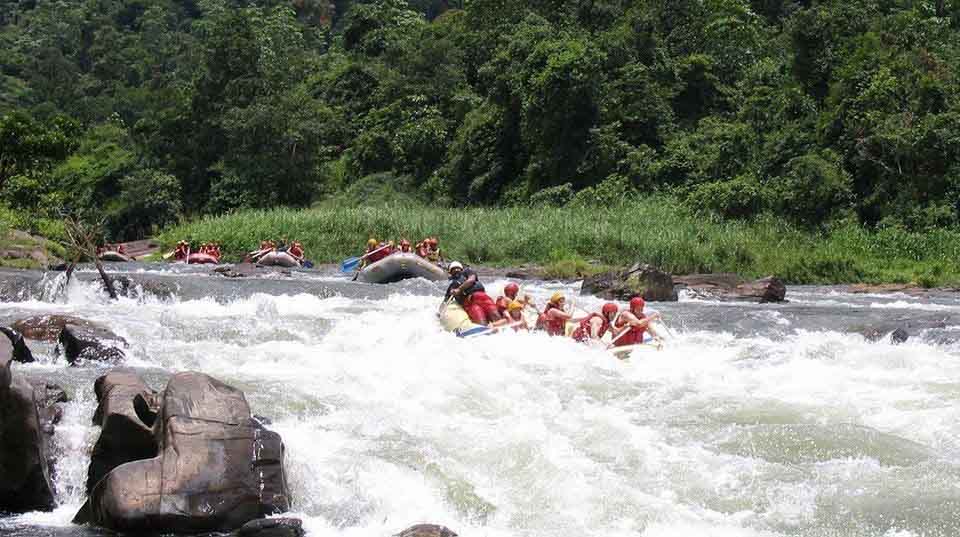
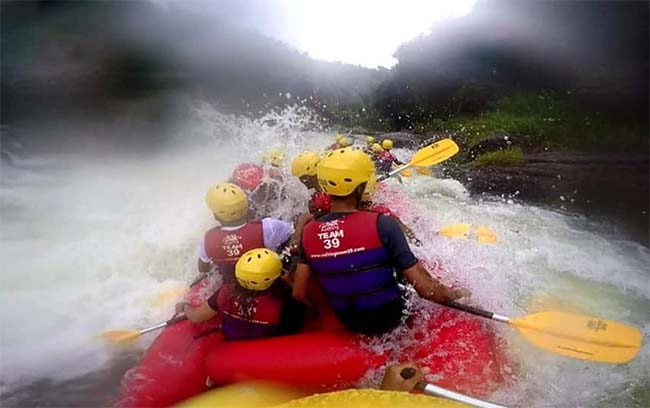
The best time to enjoy White Water Rafting at Kitulgala is the period between May to December. During periods of heavy rain, the river could turn out to be very volatile and White Water Rafting becomes very unsafe. The adventure operators on site would advise all water sports enthusiasts on the matter. However water levels could drop surprisingly fast, turning the river to its regular state during the rainy season as well.
White Water Rafting during three nights on either side of the full moon brings about a heightened sense of adventure for all enthusiasts bent on an extra mile. Referred to as Black rafting, all rafters are equipped with a headlight and safety gear.
Sithawaka River off Avissawella consists of grade 3 and 4 rapids; Ulapane – Gampola: River Mahaweli consists of grade 3 and 4; Hatton – Nuwara Eliya: River Kotmale consists of grade 4 and 5 rapids.
White Water Rafting is categorized in 6 grades in accordance with the difficulties and dangers posed: they range from simple to very dangerous and potential death or serious injuries.
▪︎Grade 1: Very small rough areas, might require slight maneuvering. (Skill Level: Very Basic)
▪︎Grade 2: Some rough water, maybe some rocks, might require some maneuvering. (Skill level: basic paddling skill)
▪︎Grade 3: White Water, small waves, maybe a small drop, but no considerable danger. May require significant maneuvering. (Skill level: experienced paddling skills)
▪︎Grade 4: White Water, medium waves, maybe rocksand a considerable drop. Sharp maneuvers may be needed. (Skill level: White Water Rafting experience)
▪︎Grade 5: White Water, large waves, large volume, possibility of large rocks and hazards, possibility of a large drop, requires precise maneuvering. (Skill level: advanced White Water Rafting experience)
▪︎Grade 6: Rapids that aren’t navigable. This grade isn’t undertaken by adventure tour operators at all.
☆Sitawaka River off Avissawella grade 3 and 4 Rapids,
Sitawaka River off Avissawella affords the second best option in White Water Rafting in Sri Lanka. The run lasting 2 hours with grade 3 and 4 rapids is better suited for experience rafters.
☆Ulapane – Gampola: River Mahaweli grade 2 to 5 Rapids,
For groups of 10 or more experienced rafters, special runs are arranged by the operators. One run starts at Ulapane, near Nawalapitiya, and heads down to Gampola along the Mahaweli River, which is Sri Lanka’s longest river. It has rapids graded between from easy grade 2 to adrenalin in full flow grade 5 drops. White Water Rafting at this stretch takes about 3 hours to complete.
☆Hatton – Nuwara Eliya: River Kotmale grade 4 and 5 Rapids,
Hatton – Nuwara Eliya: River Kotmale is a spectacular run in addition to being a challenging option to the experienced rafts-men. It begins just below St. Clair’s Falls, lasts for nearly 6 hours, and offers rafters 5 rapids ranging from grade 4 to 5. White Water Rafting herein begins in a comparatively higher altitude unraveling magnificent views of the hills.
4. HIKING, TREKKING & MOUNTAINEERING ACTIVITIES IN SRI LANKA
(Taking A WALK THROUGH PARADISE)
Sri Lanka’s diversity of terrain provide the opportunity for amazing treks, mountaineering and hikes, especially in the Central Highlands. Trekking, mountaineering and hiking through the paddy fields, tea plantations, spice gardens, waterfalls, streams, dense forests, hills and mountains of the tropical island of Sri Lanka brings about a unique experience that cannot be obtained any other way.
■ The district of Kandy offers numerous treks. The medieval Buddhist temples of Gadaladeniya, Lankathilake temples and Embakke shrine are interconnected with footpaths that bring about scenic landscape. The trek from Ihalakotte Railway station to Dodanwala Devale shrine falls through forest reserves, Alagalla Mountain, tea estates and traditional Kandyan villages. Hanthana hike, Alagalla Mountain trail, Bahirawakanda hill and Udawattakelle Forest Reserve are the most popular trails.
■ Knuckles Mountain Range as its name suggests, is formed in a shape of a human fist. Spreading over 234 sq km and bordering the Kandy and Matale Administrative Districts, Knuckles Mountain Range that consists of about 35 mountain peaks rising over 915 m is one of the most picturesque trekking and hiking sites of Sri Lanka. Though it isn’t very popular or recommended due to many leeches and extended duration.
There are two main areas of access to the knuckles Mountain Range. The access point from the northern flank to Knuckles Mountain Range is Riverston; in the south eastern flank are Deanston and Meemure. The trails of the largely untouched and rugged terrain are Pitawala pathena trail, Alugallenna trail and Nitro Cave Trail(though it isnt mostly followed),the trail to the 5 peaks; Dothalugala trail and Mini World’s End (via Deanstone forest office). You can also go to the mostly visited rural village is Meemure which boasts a lot of other trails and crystal clear water streams in the Knuckles range. Ash Cave, a pre historic cave in the forest is a lovely site to enjoy camping. Nitro Cave is a large cave hidden deep inside the forest. These trails that are interconnected with the footpaths leading to cardamom gardens, Kithul palm groves and tea plantations are rich in birdlife.
■ Belihul Oya is located in a zone linking wet zone and dry zone of Sri Lanka. The unique location has resulted in Belihul Oya being the zone of highest biodiversity in Sri Lanka. The spectacular sceneries of the area afford a wide variety and trekking and hiking trails over the hills, through the jungles and paddy fields.
Still more, no less than three exhilarating treks running from Belihuloya via Bambarakanda Water Falls lead to the Horton Plains National Park situated 2,134 m above sea level. The trek winds and rises through scrub jungle and tea plantations to reach the dramatic escarpment popularly called the World’s End that drops 890 meters off the southern ridge of the Central Highlands. Horton Plains is the only national park where trekking and hiking is allowed. In all other National Parks of Sri Lanka only 4 wheel vehicle driven safari tours are allowed.
The other popular trekking trails are Kinchigune Trail, Hawagala Trail, Samanalawewa Trail & Belihul Oya – Ohiya trail via Devils’s Staircase.
River bathing in the natural rock pool in Belihul Oya Two streams Belihul Oya and Kiriketi Oya that flows down from Horton Plains conjoin at Belihul Oya creating a natural pool of purest water.
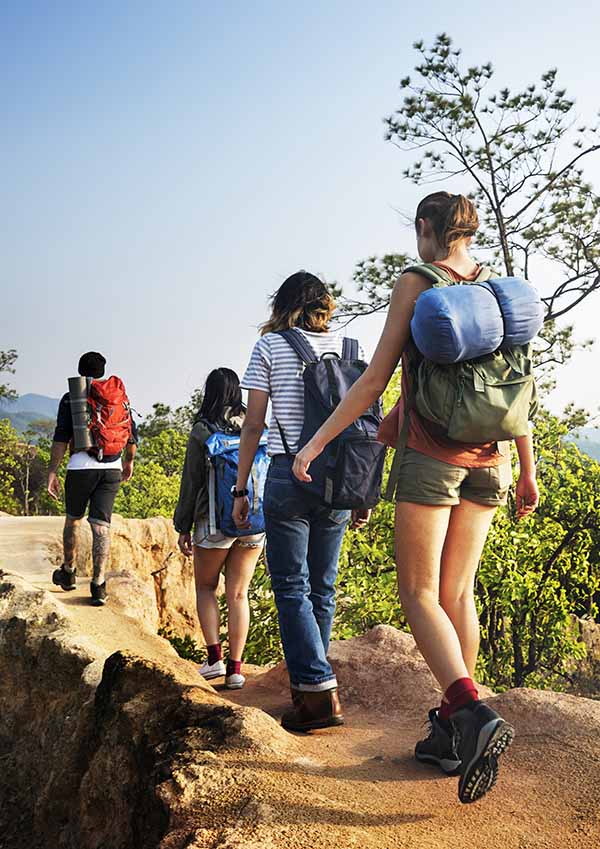
■ Ohiya of Central Highlands is a fine starting point for many treks. The trek to Bamarakanda Falls, the tallest waterfall in Sri Lanka that takes 8 hours begin at an altitude of 1790 meters falls to 1200 meters runs through the lush green highland mountains, misty falls, and streams. At the summit of the lovely waterfall is another smaller waterfall with a large pool in a scenic background.
■ NUWARA ELIYA – The hilly country is like the twin city of Kandy. Immensely beautiful and picturesque the high altitude allows for the growth of the world renowned ceylon tea. This beautiful & varied terrain is great for hiking and trekking as well. The Adams’ Peak trail is also very well known among adventure savvy hikers as a very beautiful and calm path to travel on.
■ Sinharaja Rainforest that consists of a series of ridges, valleys and mountain peaks offers several trails interspersed by tumbling waterfalls and streams for hiking and trekking. Also home for a vast number of fauna and flora of which, many are endemic.
■ Hiking & Trekking in North Central Plains of Sri Lanka,
Hiking and trekking in Pidurangala Rock near Sigiriya, trekking in Ritigala Hills and Mihintale hills are taken up by the ardent nature trekkers while visiting the cultural sites of Anuradhapura, Mihintale, Polonnaruwa, Sigiriya and Ritigala.
Hiking & Trekking in Sri Lanka: Gearing up
Planning trekking, Things you need to know:
1)Weather conditions
2)Length of trek
3)Duration
4)Approximate altitude
backpacking levels; access to essential services
Wide brimmed hat to have shelter from the tropical sun, sunglasses, sun lotion.
Insect and leech repellent, personal effects for warm, windy, rainy conditions, light weight clothes, trekking shoes or boots are recommended.
Long trousers and a shirt with long sleeves rather than shorts and t-shirt would be handy to minimize scratches from the bushes, branches of trees in order to avoid sunburn and to minimize scratches from thorns. While trekking and hiking in rain forests tobacco, soap, salt or lime could do well to get rid of the leeches that hang onto the legs. Having a flashlight / Torch is also a must.
5. SCUBA DIVING ACTIVITIES IN SRI LANKA
(UP CLOSE AND PERSONAL WITH THE MARINE LIFE)
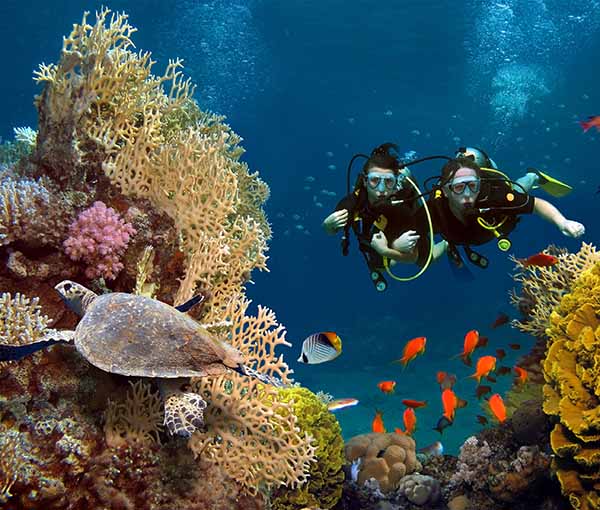
There are many Scuba Diving sites in Sri Lanka that spread out across the Western, Southern and Eastern coasts of the island. These locations are of such variety and beauty enabling even amateur scuba divers as well as the experienced ones revel in the opportunities presented.
Sri Lanka’s Scuba Diving sites offer opportunities for all to enjoy wreck diving, explore reefs and their abundance of marine life. Sri Lanka is an all year round Scuba Diving destination. Most of the reputed dive centers offer PADI certifications that may take about 3 to 4 days to complete.
Scuba Diving operators generally have small boats (for about 6 divers) and larger boats for about 15 divers. You can reach these Scuba Diving Sites within 10 to 45 minutes depending upon the distance to the location from the shore.
■ WRECK DIVING IN SRI LANKA
For centuries Sri Lanka was featured prominently across the central asian maritime shipping routes where spices and tea were shipped from Asia. During the Second World War, Sri Lanka was a strategic location in transportation through the Suez Canal and the Strait of Malacca. During the centuries since the colonial era, the coastline of Sri Lanka has claimed numerous vessels. The historical records have revealed of a possible existence of over 200 shipwrecks around the coast of Sri Lanka which could have been during the 500 years of the maritime powers of Portuguese, Dutch and the British. Of the ships that were discovered, many of the wrecks have been disintegrated owing to the unceasing events of the ocean. Marine life is in great abundance in and around these wreckage sites and are must-see places if you ever happen to visit the island.
■ FAMOUS WRECKS IN SRI LANKA
▪︎THE HMS HERMES
Among all the wreck diving sites in Sri Lanka, WWII wreck of The HMS Hermes is given prominence. The 167 meter long, 12,900 ton aircraft carrier was sunk together with a crew of 307 men by the Japanese in an air raid on 9th April 1942. The wreck is a designated “military maritime grave” while access to the inside of the wreck, removal of artifacts and photographing human remains aren’t allowed as it is considered a commonwealth war grave.
▪︎CAR CARRIER WRECK
Car Carrier Wreck is a huge vessel that sank in 1983. Large batfish and groupers are found in abundance around the hull which is encrusted with coral. While the cars can be seen at a depth of 24m, diving further down will bring you to the ship’s huge propeller.
▪︎BARGE WRECK
The Barge wreck that lies at a depth of 30m has teeming schools of fish over the deck which is overlaid with corals.
▪︎TAJ WRECK
Taj Wreck, a 45m harbor boat, is home to schools of barracuda, rabbit fish and stingrays. Some broken up areas of the hull are open to Scuba Diving penetrations.
▪︎WRECK OF AND AIRCRAFT
The wreck of an aircraft shot down during the Second World War lies at a depth of 30m. The aircraft’s wings, cockpit and twisted remains of its propeller can still be clearly identified.
▪︎WRECK OF SS CONCH
The most visited site is SS Conch, the 3300-ton oil tanker which has been sunk off the rocks at Akurala. Lying in a depth of less than 15 meters are two halves of the wreck abundant with marine life. The wrecks afford some good Scuba Diving opportunities. The site is filled with groupers, napoleons, queen angelfish and all types of other reef fishes.
▪︎WRECK OF EARL OF SHAFTESBURY
Earl of Shaftesbury, one of the oldest wrecks (dated back to the 1820s), lies at a depth of 14 meters. The steel ship with four masts was sunk following an accidental fire on board. The wreck is populated with stingrays, groups of silver batfish and schools of Fosters barracuda.
▪︎WRECK OF ALLIANCE
The Alliance lying at a depth of 23 meters is a British wooden sailboat that sank carrying a cargo of charcoal. Reef fishes are seen herein too.
▪︎WRECK OF ARCTURUS
Arcturus, a British steam ship built in 1870, today lies on a large rocky area called Mada Gala. Corals and marine life around the wreck attracts scuba divers.
▪︎WRECK OF CRISPIGI CROSS
Lying at a depth of 16 meters is Crispigi, a boat carrying rice and paint that sank in 1980s. The massive engine is still in place while the penetrations can be done into the stern. The wreck abounds with reef fish.
▪︎WRECK OF ORESTES
The British steam ship carrying a cargo of bricks sank on a sandy bottom (16 meters) near the Galle harbor. Wine bottles and soda bottles are sometimes found now and then.
▪︎WRECK OF LORD NELSON
Lord Nelson, carrying a cargo of cement, capsized during a storm in the year 2000. Penetration is possible within most of the wreck lying at a depth of 18 meters that is abound with reef fish.
▪︎WRECK OF RANGOON
The Rangoon, a steam ship built in 1863 that weighed 1776 tons and powered by a 400hp engine now lies at a depth of 30 meters offshore of the port at Galle. Sunk upright in full sailing position, Rangoon is a lovely wreck teeming with marine life.
☆Scuba Diving along the Southern and Western Coast – November through to April at Kalpitiya, Negombo, Colombo, Beruwala, Bentota, Hikkaduwa, Unawatuna, and Weligama. Scuba Diving along the Eastern Coast – April through to November at Trincomalee and Batticaloa.
■ POPULAR DIVING LOCATIONS OF SRI LANKA
▪︎Scuba Diving at Kalpitiya
The Bar Reef at Kalpitiya beach is one of the purest coral reefs in Sri Lanka. Rich in corals and fish, the Bar Reef is one of the main Scuba Diving sites in the island.
▪︎Scuba Diving in Negombo
Negombo has several Scuba Diving sites that afford the spectacle of reef and fish. The most popular Scuba Diving sites at Negombo are Diyamba Gala, Derana Gala, Lobster Reef and Hanova.
Scuba Diving in the Southwest Coast
The bay beaches of Beruwala, Bentota, Hikkaduwa, Unawatuna, and Weligama are also fine Scuba Diving destinations of the southwestern coast of Sri Lanka.
Further offshore of these bay beaches, the reefs are abundant with marine life: Titan, clown triggerfish, moray eels, lobsters and the usual brilliant assortment of smaller fish can be found here.
Scuba Diving – Great and Little Basses Reefs in the Southern Coast
Great Basses and Little Basses, a couple of enormous reefs 10km and 20km off the beach at Kirinda of the southern coast are the most adventurous diving sites in Sri Lanka. However, since the reefs are exposed to both monsoon seasons of Sri Lanka, i.e. southwest and northeast monsoons, diving isn’t safe outside the period of March to early April. The submerged reefs with a lighthouse erected in each of those, are abound with big fish: sharks, dogtooth tunas, barracudas and groupers.
▪︎Hikkaduwa Scuba Diving
Between 30 minutes and an hour from the coast, offshore of Hikkaduwa you will come across a fine stretch of Scuba Diving sites which consist of wrecks, corals, caves, rocks and plenty of marine life. Hikkaduwa is a fine base to enjoy Scuba Diving since the diving sites extend from the north to the south of Hikkaduwa.
▪︎Beruwala Scuba Diving
A half an hour boat ride offshore from Beruwala you will find magnificent rock formations abound with marine life. In fair weather conditions, the water is so clear while sunrays stream deep up to 30 meters under water. Schools of fish are seen at these rock formations. Trevally, Snappers, Barracuda and Wrasse are the main marine life of the Scuba Diving sites at Beruwala.
Other Scuba Diving points are Shark Point with rocks and fish, the Barracuda Rock with rocks, caves and fish as well as Hataragala with rocks and fish. There is another site by the name of Malugala which also consists of rocks and fish.
▪︎Scuba Diving at Weligama
Within a half an hour’s boat ride from the pristine beaches of Weligama, there are scenic rock formations that affords Scuba Diving opportunities. The main diving sites are Prince Hienrich Patch , Bridge Rock and Yala Rock all which consist of rocks and fish
▪︎Scuba diving at Batticaloa
The main Scuba Diving site at Batticaloa is the shipwreck of a vessel named the British Sergeant. A half an hour’s boat ride takes the Scuba Diving enthusiasts to the wreck. Split in half and separated with a distance of about 10 meters is the 100 meter long shipwreck lying on its port side. Allison and McLeelan is another ship wreck in Batticaloa. Though much smaller than
British Sergeant, Allison and McLeelan has a considerable amount marine life around it and around the small rocky reef next to it.
▪︎Scuba Diving at Trincomalee
Trincomalee, the largest natural harbor in Sri Lanka features numerous wrecks. The star attraction is the aircraft carrier Hermes. The British aircraft carrier HMS Hermes, which was sunk off the east coast by the Japanese Air force in 1942 during the World War, now sits upside down, 53 meters deep, with decks and superstructure within the 30-40 meter range. HMS Hermes is recommended for divers with minimum technical training to 50 meters.
☆You too can join in the fun and engage in your very own exploratory dive into the depths with AQUAMARINE PARADISE SL Specialized Tours.